 Skip to content

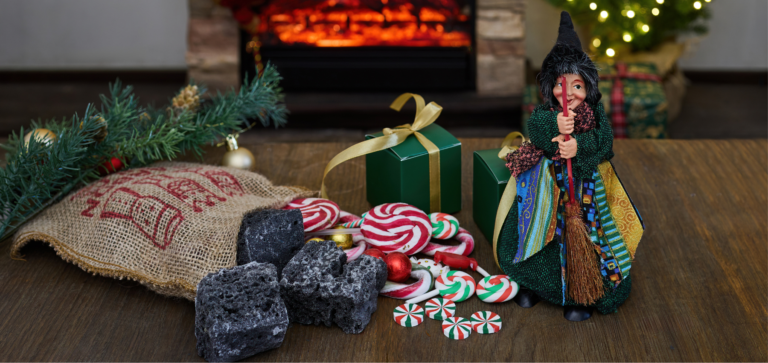
Did you know the Italian Christmas season doesn’t end on December 25th? The holiday festivities in Italy extend all the way to January 6th, marking Epifania (Epiphany). At the heart of this extended celebration lies a distinctive character: La Befana. This figure is far more than just a gift-giving old woman; she is a crucial symbol for understanding Italian culture and tradition. If you are an Italian language student, mastering the lore of La Befana is essential for true cultural immersion. Let’s dive into the details of this special character and holiday.
Italy’s unique gift giver: A closer look at La Befana
Who exactly is La Befana?
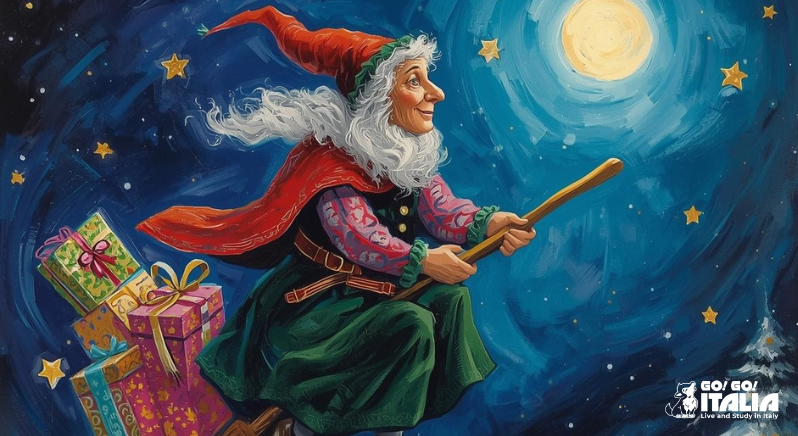
La Befana is a kind old woman or witch-like figure from Italian folklore who delivers gifts to children by flying on a broomstick during the night of January 5th to the morning of January 6th. Her name is derived from Epifania (Epiphany), and she plays a symbolic role in concluding the Christmas festivities. She is typically depicted in ragged clothes with a face smeared with soot, reminiscent of her journey down chimneys. She serves as Italy’s unique gift-bearer, marking the end of the holiday period.
What is the legend and origin of La Befana?
Legend holds that La Befana was an old woman encountered by the Three Wise Men (Magi) on their journey to worship the infant Jesus. When the Magi invited her to join them, she initially refused due to household chores. Later, regretting her decision, she hastily gathered gifts and set out in pursuit. Failing to find Jesus, the legend says she continues to search, visiting every house to leave gifts for good children and charcoal for the naughty ones. This story directly connects her tradition to the Feast of the Epiphany on January 6th, the day the Magi met the infant Jesus.
What kinds of gifts does La Befana give?
La Befana fills stockings or socks with gifts, giving sweet treats, candies, and small toys to well-behaved children, while leaving sweet black sugar charcoal (Carbone dolce) for the mischievous ones. Although the Carbone dolce is edible, its primary symbolism is to encourage reflection and repentance for any misbehavior during the past year. This sugar charcoal holds significant meaning as it represents the last gift children receive before the Christmas season officially ends.
How can language students experience the Befana festival?
How does experiencing the Befana holiday aid Italian language acquisition?
Participating in the regional festivals and markets held during the La Befana holiday provides students with the best environment for real-world Italian language practice. Students can enhance their comprehension of Italian folk vocabulary and regional customs by listening to songs related to La Befana (Canti di Natale), engaging in conversations about the gifts, and hearing explanations of the holiday traditions. Students can practice asking friends about the Carbone dolce or describing their own country’s similar traditions in Italian.
Where are the best regions in Italy to experience the La Befana festival?
While the La Befana holiday is celebrated across Italy, parades and related events are particularly vibrant in Central Italy. In Rome, a large market dedicated to La Befana is traditionally held in Piazza Navona, offering a truly festive atmosphere. Planning a short-term language course from late December through early January ensures that students can directly experience these unique cultural highlights.
The final sweet note of your Italian language journey in January!
If you only knew about Babbo Natale (Santa Claus), the Italian holiday season, extended by La Befana, will be remembered as truly special and enriching. We hope this extraordinary old woman fills your stockings with delicious treats! Buon Epifania!
Would you like to learn more about Italian language programs, including those that cover the Epiphany holiday in January, through Go! Go! Italia? Contact us and we will provide you with tailored information!