 Skip to content

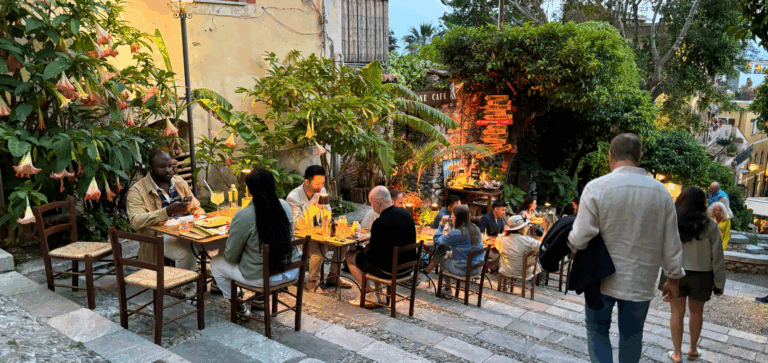
Italian dining etiquette is essential to understand when you sit down for a meal in Italy — because you’re not just eating, you’re participating in a cultural ritual. Italian cuisine is celebrated worldwide, but just as important as the food itself is the way it is enjoyed. Understanding these dining customs will not only help you blend in but also allow you to appreciate the Italian lifestyle on a deeper level. Here’s what you need to know.
1. Meal structure matters
Meals in Italy typically follow a structured format, especially at lunch and dinner. The traditional course order is:
- Antipasto (appetizer)
- Primo (first course, usually pasta, risotto, or soup)
- Secondo (main course, often meat or fish)
- Contorno (side dish, usually vegetables)
- Dolce (dessert)
- Caffè (espresso)
- Digestivo (optional liqueur like grappa or limoncello)
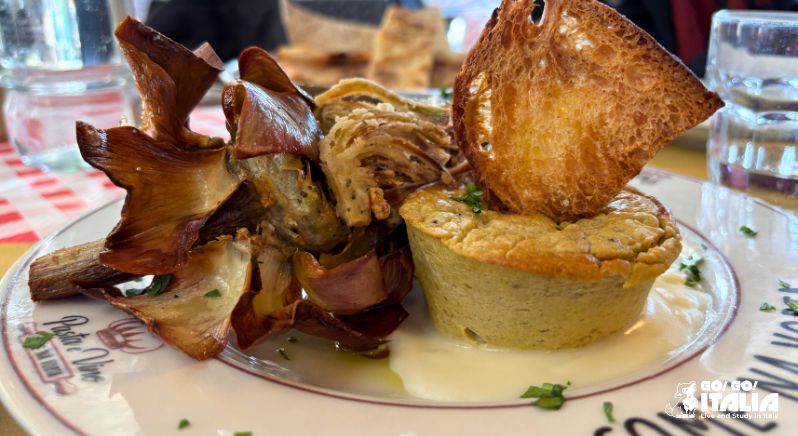
While not every meal includes all of these courses, understanding the traditional structure can help avoid confusion. For instance, don’t expect pasta and meat to be served on the same plate — in Italy, they are separate courses. Similarly, salads are not typically served as a starter; instead, they usually accompany the secondo (main course) or are served at the end of the meal.
2. Timing is everything
Italians eat later than in many other countries. Lunch usually starts around 1:00 PM, and dinner often begins no earlier than 8:00 PM. Arriving too early at a restaurant might mean waiting for the kitchen to open. Restaurants generally close between lunch and dinner service, so plan accordingly.
If you come across a restaurant that stays open all day, it’s often a sign that you’re in a tourist-heavy area — and prices may be higher than average. For a more authentic and reasonably priced experience, it’s usually better to choose a spot frequented by locals.
3. Respect the ritual of coffee
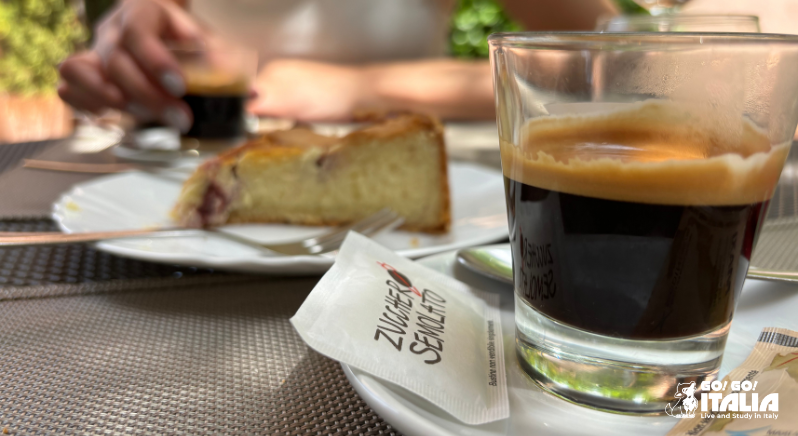
Coffee in Italy is a ritual, and it comes with its own set of rules. Is widely known that you cappuccinos are not be ordered after lunch — it’s seen as a breakfast drink. That said, opting for a lighter version with soy or oat milk is generally more acceptable and less likely to raise eyebrows.
After a meal, Italians usually have a caffè (regular espresso) with no milk. Avoid ordering elaborate coffees like latte unless you want a glass of milk!
Coffee is traditionally served at the end of the meal in Italy, never during, as it’s believed to aid digestion and mark the conclusion of dining.
4. No cheese on seafood
Adding grated cheese to seafood pasta is a big no in Italian dining culture. It’s considered to overpower the delicate flavors of the fish. This is one of those subtle rules that will immediately set you apart as a visitor if broken.
5. Ordering tips
Menus in Italy are often organized by course, so ordering a primo and secondo as separate dishes is standard. It’s perfectly fine to order only a pasta dish or just a main course — you don’t need to order everything.
For example, for lunch, often people order a primo consisting of pasta dish, followed by a contorno of vegetable.
6. Tipping culture
Tipping is not obligatory in Italy as service is typically included in the bill (coperto). However, leaving a small amount — a few euros or rounding up — is appreciated, especially in tourist areas. It’s a gesture of satisfaction, not a requirement.
7. Social dining
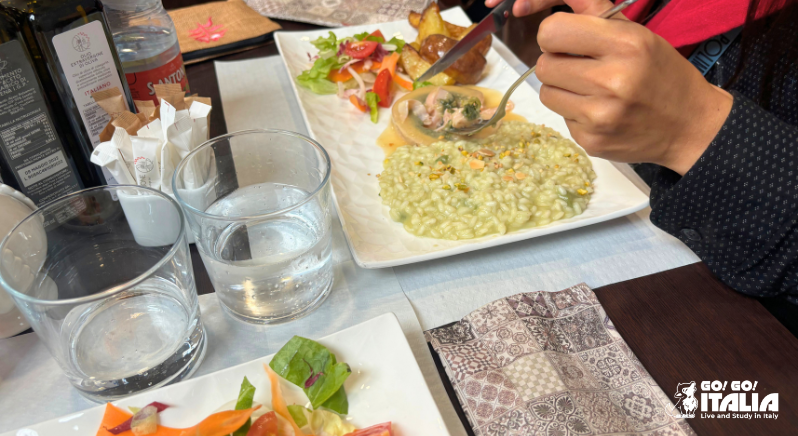
Meals are social events in Italy, often enjoyed with family and friends. Eating quickly or while walking is considered poor form. Even a quick lunch is usually enjoyed sitting down. Try to relax, take your time, and savor both the food and the company.
8. Don’t rush the bill
In Italian restaurants, you’ll rarely be brought the bill unless you ask for it: Il conto, per favore (The bill please). It’s a sign of respect — you’re not being rushed. When you’re ready, politely request it from the waiter.
Curiosity: Why Italians don’t get fat even if they eat so much? Find the answer gave by a professional chef on our social media.
Want to learn some useful Italian sentences for when you are eating? Check out the vocabulary we put together for you here.
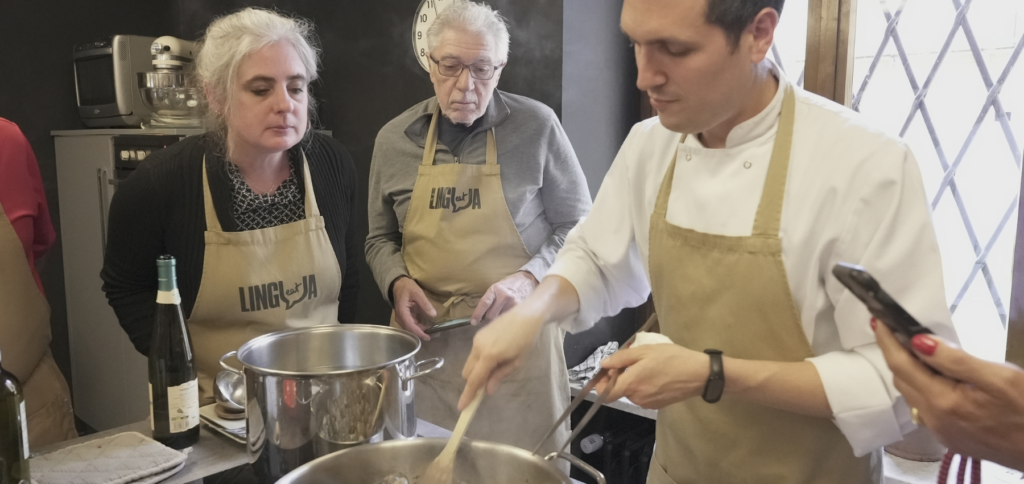
If you are interested in studying Italian or taking Italian cooking classes, contact us!