 Skip to content

Living costs in Italy are an important consideration for anyone planning a study abroad experience in Italy. But how much does it really cost to live in Italy in 2025? Let’s explore the main factors that contribute to the cost of living and what you should budget for if you’re planning to move or stay here long-term.
Cost of housing
Housing is usually the biggest monthly expense in Italy, but costs vary widely depending on location.
- Large cities (Rome, Milan, Florence, Bologna): Expect to pay anywhere between €700 and €1,500 per month for a single-bedroom apartment in the city center. Outside the center, prices might drop to €500-€1,000. Milan is currently the most expensive city, driven by high demand and limited supply. But is also the one with the many opportunities where it comes to working part time, so it may help balancing the expenses during your studies.
- Medium and small towns: Smaller cities like Siena or Salerno offer much lower rents, with one-bedroom apartments available for €400-€700 per month.
- Shared accommodation: Many students and young professionals choose shared flats, reducing housing costs to €250-€600 monthly, depending on the city.
Utilities (electricity, heating, water, garbage) average €100-€200 per month for a small apartment, though heating costs can rise during the winter, especially in northern regions.
Here you can browse the accommodation options available at any time.
Groceries and eating out
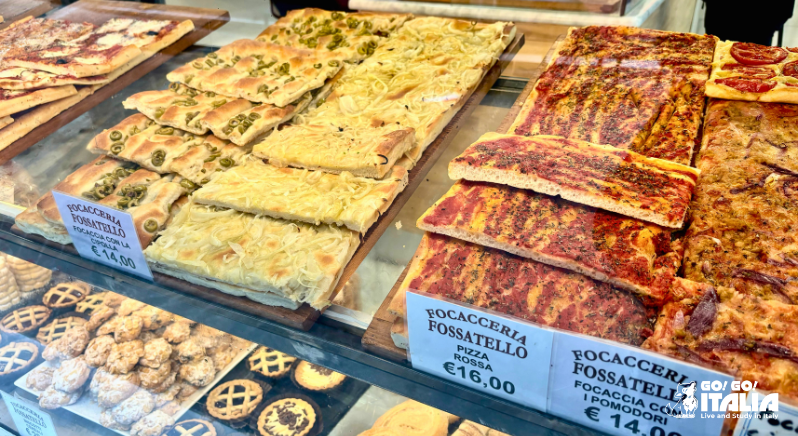
Italy is known for its amazing food, and eating well doesn’t necessarily mean spending a fortune.
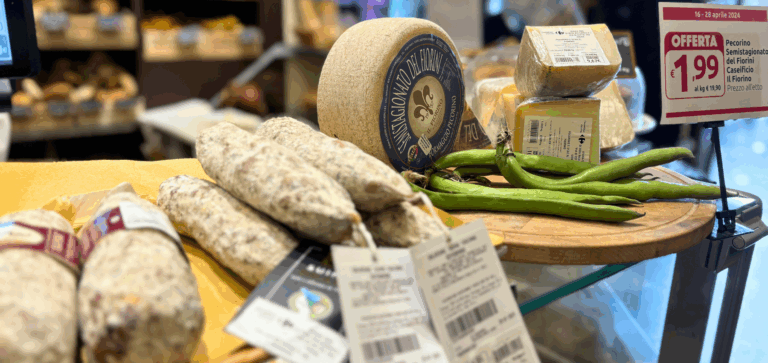
- Groceries: A single person might spend €150-€300 per month on groceries, depending on shopping habits. Discount supermarkets like Eurospin are significantly cheaper than more premium chains like Coop or Conad. Fresh produce, pasta, and bread remain affordable staples.
- Eating out: A simple meal at a trattoria can cost €10-€15. A three-course meal at a mid-range restaurant ranges from €25-€40 per person. A coffee at the bar (standing) costs around €1.20, while a cappuccino might be €1.50–€2.00 depending on the city.
In tourist-heavy zones, prices can be higher, so locals often avoid eating near major attractions.
Transportation
Public transportation is generally affordable and reliable in most cities:
- Monthly transport passes: Costs vary but usually range between €35 and €55 in major cities. Milan, for example, charges €42 per month for urban travel.
- Single tickets: A single bus or metro ride costs €1.50-€2.00.
- Regional trains: Reasonably priced for commuting between cities. Example: Florence to Pisa for about €9.
Owning a car is more expensive due to fuel (about €1.80–€2.00 per liter), parking fees, and insurance. Many urban residents choose not to own a vehicle due to traffic and limited parking.
Internet and mobile
Italy has decent internet coverage, although rural areas can be slower.
- Home internet costs between €25–€35 per month for a standard broadband package.
- Mobile plans with calls, texts, and data can be found for €10–€20 monthly, especially with providers like Iliad or Ho Mobile. If you are considering an esim card with unlimited data, we recommend Holafly (and you can get a 5% discount using our affiliate link here.)
Entertainment and leisure
Living in Italy comes with endless opportunities for leisure:
- Cinema tickets cost €8–€12; student rates are around €7–€9.
- Gym memberships range from €30–€70 per month.
- Museums and attractions often offer discounted rates for students or residents.
Many cities host free cultural events, especially in summer, making it easy to enjoy Italy without overspending.
Healthcare
Italy’s public healthcare system is accessible to residents and citizens. While emergency care is available to anyone, non-residents or students often need private insurance, especially for visa requirements. Private health insurance can cost €300–€800 per year for basic coverage.
Since the Italian public healthcare is not available until arrival to Italy, we recommend our students to sign up for travel insurance World Trips, which works perfectly fine for those applying for a student visa as well.
Living costs in Italy: monthly estimates
Here’s a rough monthly budget for a single person living modestly in Italy’s mid-sized cities:
- Rent (room in shared flat): €400
- Utilities: €100
- Groceries: €200
- Transportation: €40
- Internet/mobile: €30
- Leisure/entertainment: €100
Total: €820 per month
In large cities like Milan or Rome, expect this to rise to €1,200–€1,500 per month if renting a private apartment.
Final thoughts
Italy’s cost of living is moderate compared to other Western European countries. While cities like Milan and Rome can be expensive, smaller towns offer a much more affordable lifestyle. Careful budgeting, choosing local markets for food, and opting for shared housing can keep costs manageable.
If you’re planning to study in Italy, understanding these costs will help you prepare for an exciting chapter in one of Europe’s most captivating countries.
Ready to start your Italian language learning adventure? Contact us!